
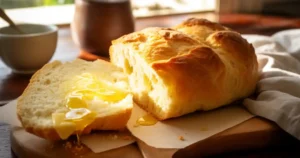
Craving authentic Cuban bread with that perfect soft, pillowy center and crispy golden crust? This easy recipe shows you how to make traditional pan cubano right at home using simple ingredients. Whether you’re building classic Cuban sandwiches, serving it with breakfast, or enjoying it fresh from the oven with dinner, you’ll get bakery quality results every time with these foolproof steps.
CONTENT SUMMARY:
Table of Contents
Understanding Cuban Bread
The History of Cuban Bread
Cuban bread has a rich history. Its unique texture and taste come from a special recipe passed down through generations. It’s different from other breads because of the ingredients and baking methods used.
Texture and Taste
Cuban bread has a crunchy crust. The inside is soft and chewy. It has a slightly sweet flavor. The taste comes from the combination of simple ingredients.
Regional Variations
Different areas of Cuba may have small differences in their bread. These changes might be in the ingredients or the baking process. But the main qualities of Cuban bread stay the same across the island. These variations add to the bread’s charm.
What Makes it Unique?
The special combination of ingredients and the way it’s baked makes Cuban bread stand out. The result is a bread that is both tasty and has a unique texture. Many people enjoy it with meals or as a simple snack.
Key Ingredients for Authentic Cuban Bread recipe
Flour Power: Bread Flour vs. All-Purpose
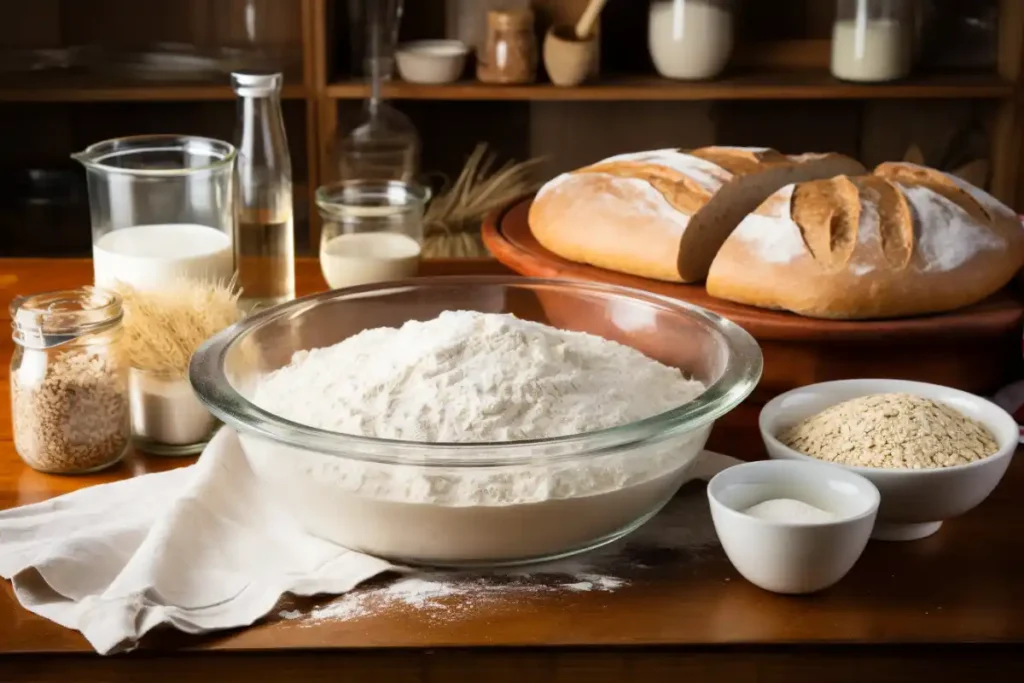
The type of flour matters. Bread flour has more protein. This gives the bread a stronger structure and a chewier texture. All-purpose flour works, but the bread might be a little less chewy.
Yeast: Active Dry vs. Instant
Yeast helps the bread rise. Active dry yeast needs to be proofed (activated) in warm water before use. Instant yeast goes straight into the dough. Both types work well.
Water Temperature: Getting it Just Right
Water temperature is important. Too cold, and the yeast won’t activate. Too hot, and you’ll kill the yeast. Lukewarm water (around 105-115°F) is best. Use a thermometer to be sure.
Sugar: The Sweet Touch
A small amount of sugar feeds the yeast and adds a touch of sweetness to the bread. You can use honey or another sweetener instead, but keep the amount small.
Salt: Balancing the Flavor
Salt controls the yeast’s activity and adds flavor. Don’t skip it! Too much salt will slow down the rising process.
Kneading Cuban Bread Dough
Hand-Kneading Your Dough
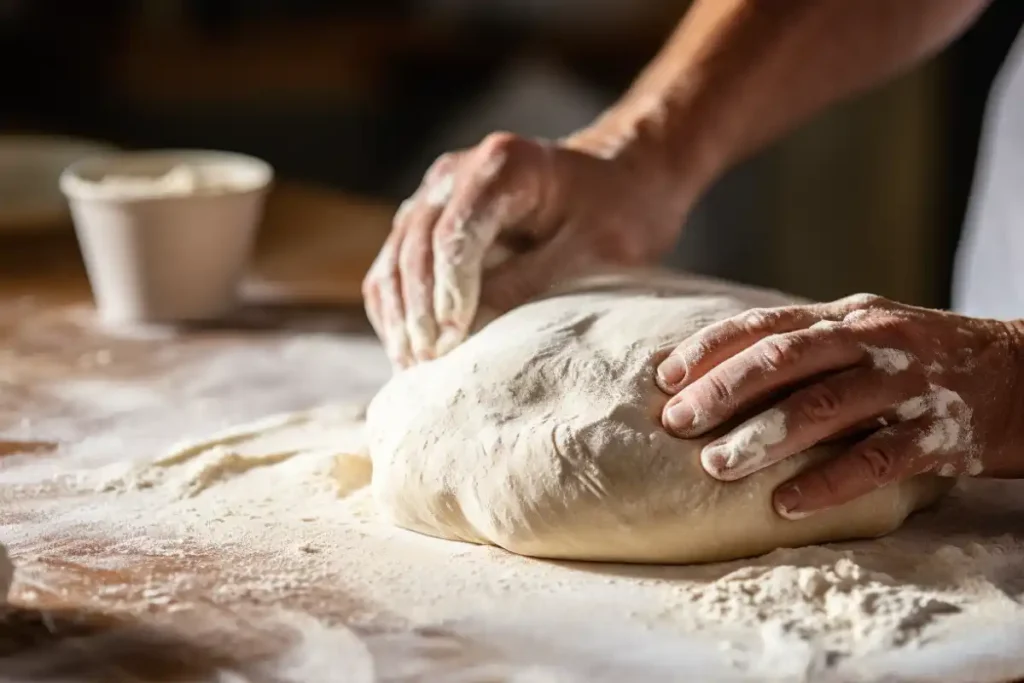
Kneading mixes the ingredients and develops the gluten in the flour. Gluten gives the bread its chewy texture. To hand-knead, turn the dough out onto a lightly floured surface. Push the dough away from you with the heel of your hand. Then, fold it over and turn it a quarter turn. Repeat this process for 8-10 minutes, or until the dough is smooth and elastic.
Using a Stand Mixer
A stand mixer makes kneading easier. Place the dough hook in the mixer and add the dough. Knead on low speed for 5-7 minutes, or until the dough is smooth and elastic. If using a stand mixer, you may need to scrape down the sides of the bowl a few times during the kneading process.
Why Proper Kneading Matters
Proper kneading is important. It develops the gluten, which gives the bread its structure and chewiness. Without enough kneading, your bread may be dense and crumbly. Too much kneading can make it tough. Aim for that smooth, elastic consistency.
Cuban Bread Ingredients
| Ingredients | Quantity | Note |
|---|---|---|
| Bread Flour | Amount will vary depending on recipe | Provides structure |
| Water | Amount will vary depending on recipe | Activates yeast |
| Yeast (Active Dry or Instant) | Amount will vary depending on recipe | Makes the bread rise |
| Sugar | Amount will vary depending on recipe | Feeds the yeast, adds sweetness |
| Salt | Amount will vary depending on recipe | Controls yeast, adds flavor |
First Rise: Bulk Fermentation
Timing the Rise
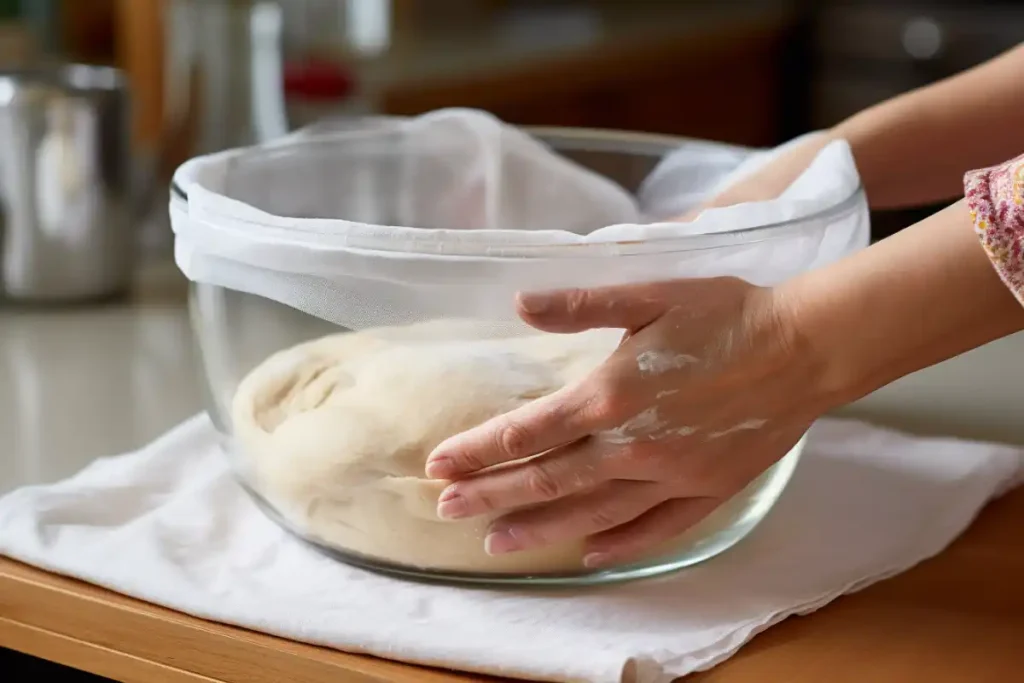
The first rise, or bulk fermentation, is key. It lets the yeast do its job. The ideal time is 1 to 2 hours. The temperature should be around 75-80°F (24-27°C). A warmer room makes it rise faster. A cooler room slows it down.
Understanding Yeast Activity
Yeast is a tiny living thing. It eats the sugar in the dough. This creates tiny bubbles of carbon dioxide gas. These bubbles make the dough rise. The right temperature is important because yeast works best in a warm environment. Too cold, and it sleeps. Too hot, and it dies.
Knowing When it’s Ready
The dough is ready when it’s almost doubled in size. It will also be soft and puffy. You should gently poke it with your finger. If the indent slowly springs back, it’s done. If the indent stays, it needs more time.
Shaping the Cuban Loaf
Rolling and Shaping the Dough
Gently roll the dough into a long rectangle. Aim for a consistent thickness. This helps your loaves bake evenly. A long, thin shape is key for that classic Cuban bread look.
Getting a Uniform Shape
Use a ruler or a long, straight edge to guide you. Make the sides as straight as possible. A uniform shape ensures even baking. Try to make all your loaves the same size.
Pan Placement for Even Baking
Place the shaped loaves evenly spaced in your baking pan. Leave a little space between each one. This gives them room to expand as they bake. Even spacing makes sure all the loaves get the same amount of heat.
Second Rise: Proofing the Dough
Why Proofing Matters
After shaping, your Cuban bread dough needs a second rise, called proofing. This allows the yeast to create more air bubbles, making the bread light and airy instead of dense.
The Proofing Environment
A warm place is best for proofing. Aim for a temperature between 75-80°F (24-27°C). You can use a warm oven (turned off) or a proofing box. Lightly cover the dough with plastic wrap to keep it moist.
How Long to Proof
Proofing usually takes about 45 minutes to an hour. The dough should almost double in size and feel soft and puffy. Gently poke it with your finger. If the indent slowly springs back, it’s ready. If the indent stays, give it more time.
Baking Cuban Bread
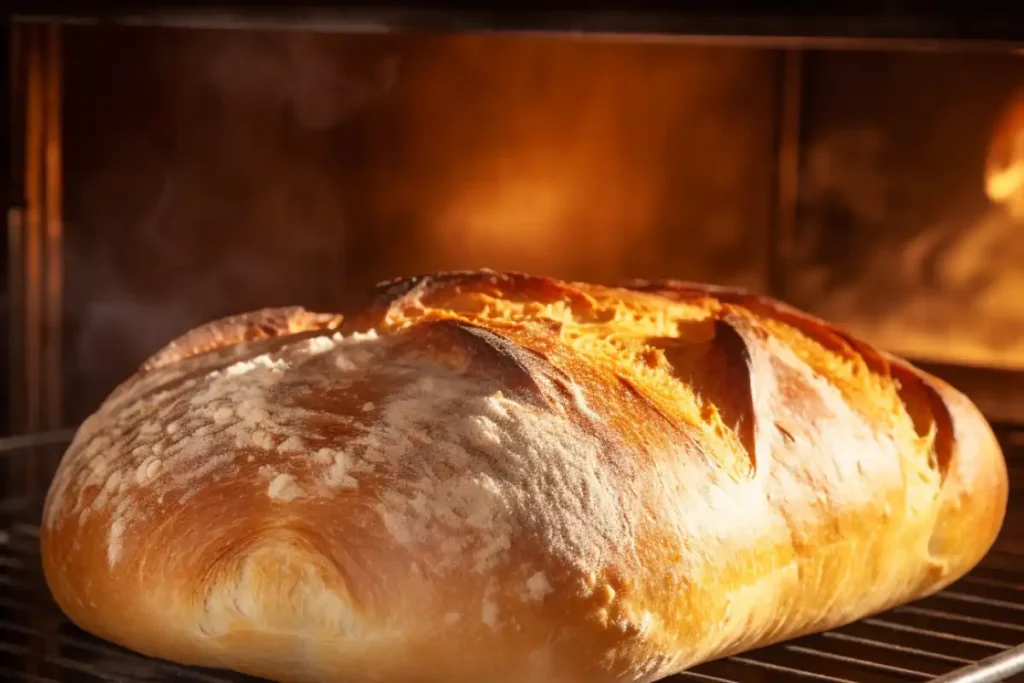
Oven Temperature and Baking Time
Preheat your oven to 375°F (190°C). Bake your loaves for 20-25 minutes. Baking time depends on your oven and the size of your loaves.
Checking for Doneness
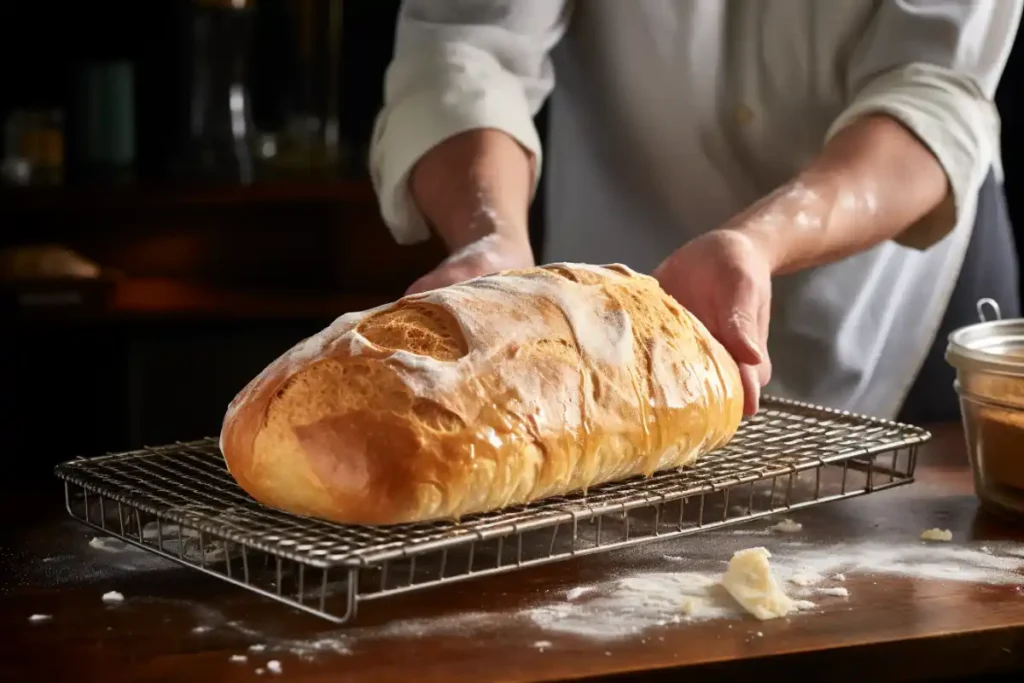
The bread is done when it’s golden brown on top. The bottom should sound hollow when you tap it gently. Use a thermometer; the internal temperature should be around 200°F (93°C).
Tips for a Perfect Crust
For a crispier crust, lightly brush the top of the loaves with water before baking. You can also bake them on a baking sheet lined with parchment paper. Let the bread cool completely on a wire rack before slicing and serving.
Cooling and Storing Cuban Bread
Cooling Your Cuban Bread
After baking, let your Cuban bread cool completely on a wire rack. This prevents sogginess. A wire rack lets air circulate around the bread, which helps the crust crisp up and the inside dry out a bit. Don’t rush this step! Cooling completely takes about 30-45 minutes.
Storing Your Cuban Bread for Freshness
Once cool, store your Cuban bread in an airtight container at room temperature. This keeps it fresh for a few days. If you want to keep it longer, you can freeze it. To freeze, wrap each loaf tightly in plastic wrap, then put it in a freezer bag. Frozen Cuban bread can last for up to three months. When ready to eat, thaw it at room temperature or in the refrigerator. Reheat briefly in a low oven to restore some crispness.
Frequently Asked Questions
What kind of flour is best for Cuban bread?
Bread flour is ideal because it has more protein, making the bread chewier. All-purpose flour works, but the result might be less chewy.
How important is the water temperature?
The water temperature is very important for activating the yeast. Lukewarm water, around 105-115°F, is best. Too cold, and the yeast won’t work; too hot, and it will die. Use a thermometer to be sure.
Can I use a different sweetener besides sugar?
Yes, you can use honey or another sweetener instead of sugar. Just keep the amount small; a little goes a long way.
How long does the dough need to rise?
The first rise (bulk fermentation) takes about 1-2 hours. The second rise (proofing) takes about 45 minutes to an hour. The dough should almost double in size for both rises. A warmer room speeds up rising.
What if my bread is too dense or crumbly?
This usually means the dough wasn’t kneaded enough. Kneading develops the gluten, which gives the bread its structure and chewiness. For hand-kneading, aim for 8-10 minutes. If using a mixer, knead for 5-7 minutes.
The Takeaway: Enjoy Your Homemade Cuban Bread!
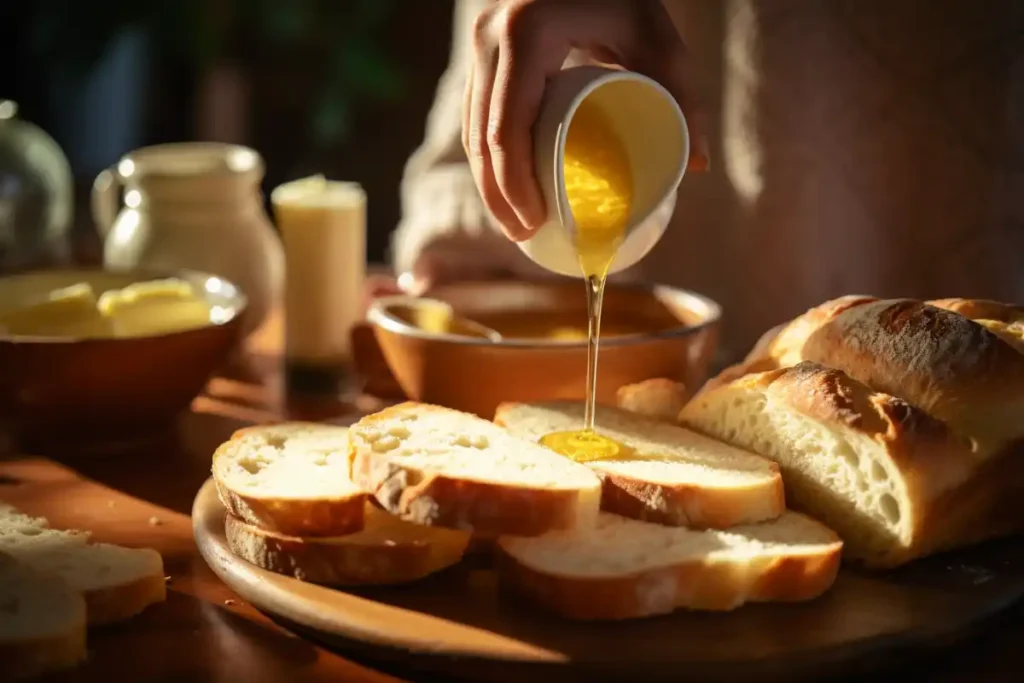
Your Delicious Reward
This guide showed you how to bake delicious, authentic Cuban bread at home. You learned about the ingredients, the kneading process, the rising times, and the baking steps. Following these steps carefully will help you create a loaf with a crisp crust and soft, chewy inside.
Baking Tips for Success
Remember, the right water temperature is key for activating the yeast. Proper kneading gives your bread structure. And, don’t forget to let the bread cool completely before slicing. This keeps it from becoming soggy.
Next Steps
Now it’s time to put your new skills to the test! Gather your ingredients, and start baking. Enjoy the process, the delicious aroma, and, most importantly, the wonderful taste of your homemade Cuban bread. This guide helps you make this classic bread at home. Remember to follow the steps and have fun!
Love learning about different food cultures? If you enjoyed exploring Cuban bread, why not discover what people eat for breakfast in other parts of the world? Check out our guides on Japanese Breakfast, Korean Breakfast, and Chinese Breakfast to expand your culinary knowledge!
Print
Cuban Bread Recipe: How To Make It Soft & Crispy!
- Total Time: 12 hours 15 minutes
- Yield: 2 loaves (12 servings)
Description
Classic Cuban bread with a simple overnight starter. Soft inside, thin crisp crust, and perfect for sandwiches. Uses vegetable shortening instead of lard.
Ingredients
Starter
1/2 cup warm water
1/2 cup flour
1/2 teaspoon active dry yeast
Dough
1 package active dry yeast
2 teaspoons white sugar
3/4 cup warm water
3 tablespoons vegetable shortening
2 teaspoons fine salt
3 cups all-purpose flour, divided
1 teaspoon vegetable oil, for bowl
1 tablespoon cornmeal, for pans
Optional
Up to 1 1/2 cups bread flour (replace part of the AP flour)
Instructions
1. Whisk the starter: 1/2 cup warm water, 1/2 cup flour, 1/2 teaspoon yeast. Cover and refrigerate 8 hours to overnight.
2. In a mixing bowl combine 1 package yeast and 2 teaspoons sugar with 3/4 cup warm water. Rest 15 minutes until foamy.
3. Add 3 tablespoons vegetable shortening and 2 teaspoons salt. Mix in 1 cup flour, then add the starter.
4. Add the remaining flour, holding back up to 1/2 cup. Mix until a shaggy, sticky dough forms.
5. Knead on a lightly floured surface to a soft, supple ball, adding just enough of the held-back flour so the surface is slightly tacky.
6. Place in a lightly oiled bowl, coat the dough, cover with a damp towel, and let rise warm until doubled, about 2 hours.
7. Line two rimmed baking sheets with parchment and sprinkle with cornmeal.
8. Press dough into a rectangle, divide in half, and shape each into a 12-inch-long, 1/2-inch-thick rectangle. Roll tightly from the long side into two skinny loaves. Lightly flatten tops and dust with flour.
9. Set loaves on the prepared sheets. Cover with a light dry towel and rise until doubled, 1 1/2 to 2 hours.
10. Preheat oven to 400°F (200°C). Slash a 1/4-inch-deep slit down each loaf and lightly mist with water.
11. Bake with one pan on the lower rack and one on the upper rack for 10 minutes. Switch positions and bake 10 to 15 minutes more until golden brown.
12. Transfer to a rack and cool to room temperature before slicing.
Notes
For chewier texture, replace up to 1 1/2 cups of the flour with bread flour.
Misting with water helps create a thin, crisp crust.
Each loaf makes about 10 slices. Great for pressed sandwiches.
If dough feels stiff, add 1 to 2 teaspoons water and knead briefly. If too sticky, dust with a little flour.
- Prep Time: 25 minutes
- Cook Time: 20 minutes
- Category: Bread
- Method: Baked
- Cuisine: Cuban
Nutrition
- Serving Size: 1 slice
- Calories: 172
- Sugar: 1g
- Sodium: 326mg
- Fat: 4g
- Saturated Fat: 1g
- Unsaturated Fat: 3g
- Trans Fat: 0g
- Carbohydrates: 29g
- Fiber: 1g
- Protein: 4g
- Cholesterol: 3mg