
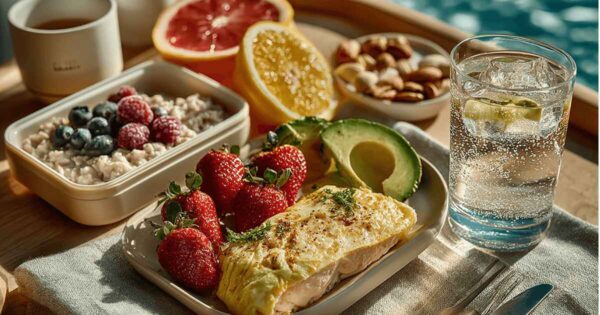
One morning, Bella grabbed a rice cake and called it breakfast. Said laughed, reminding her that food fads vanish faster than socks in the laundry. They remembered the low-fat craze of the ’90s and that friend who swore celery juice would change the world. Nutrition often gets tangled in myths and promises. That’s why Nutrition and Wellness Guides matter: they’re about balance, joy in the kitchen, and habits that truly make you feel alive.
CONTENT SUMMARY:
Table of Contents
What Nutrition and Wellness Really Means
Beyond Diet Rules
Wellness isn’t a single diet or a chart of “good” versus “bad” foods. It’s the way all the small pieces of life fit together. Food fuels the body, but so do laughter, sleep, and time spent moving around. Nutrition and Wellness Guides help you see the bigger picture: meals are not just calories but experiences. A warm soup shared with a friend carries more value than a lonely salad eaten under stress.
How Food Myths Shape Our Choices
Myths spread quickly. Someone hears rice cakes are the “perfect diet snack,” and suddenly everyone stocks their pantry. Others think chocolate rice cakes must be sinful, when really, they can fit into a balanced snack routine. Articles like Are Rice Cakes Junk Food? and Chocolate Rice Cakes dive deeper, but here’s the real lesson: nutrition myths shape how we eat. Learning to question them is the first step toward balance. Wellness begins when you can smile at the latest fad and ask, “Does this really work for me?”
Small Choices, Big Impact
The Power of Food Swaps
Big changes aren’t the only path to wellness. Often, it’s the little swaps that matter most. Think about using milk instead of water in a recipe. It changes more than flavor; it adds creaminess and a touch of protein. That simple choice reflects a bigger idea: every ingredient carries both taste and nutrition. Articles like Does Milk Instead of Water Make Cake Moist? show how these swaps play out in baking, but the lesson applies far beyond desserts. Nutrition tips such as choosing sparkling water over soda or olive oil over butter make healthy eating a daily habit without stress.
Building a Plate That Works for You
A balanced plate doesn’t need to look perfect. Half filled with colorful vegetables, a portion of lean protein, and a serving of whole grains is a good start. But wellness isn’t only about nutrients; it’s about joy. If you love creamy pasta, balance it with a crisp salad. If your evening feels incomplete without something sweet, pair dessert with fresh fruit. Balance keeps you satisfied while moving you toward health. Recipes like Greek Lemon Chicken Orzo Soup remind us that comfort food can be both delicious and nourishing. Your plate should tell a story of what you love, not just what you “should” eat.
Vitamins in the Bigger Picture
Why Micronutrients Matter
When most people think of nutrition, they picture carbs, fats, and protein. But the unsung heroes are the tiny nutrients that don’t make flashy headlines. Vitamins and minerals keep your immune system strong, your skin glowing, and your energy steady. Nutrition and Wellness Guides help connect the dots between what’s on your plate and how your body feels. You may have heard about the “king” of vitamin A fruits, but that’s only part of the story. The bigger question is: how do micronutrients as a whole shape your everyday health? They work like an orchestra, each vitamin playing its part, creating harmony that supports life.
Bringing Nutrients Into Real Meals
It’s not about memorizing lists. It’s about patterns. If your meals include color, variety, and freshness, you’re on the right path. Articles like Which Fruit is the King of Vitamin A? and Meals High in Vitamin A go deeper into that single nutrient, but here we’ll zoom out. Think of your plate as a rainbow. Each color usually signals a different nutrient at work. To make it easier, here’s a simple guide:
| Nutrient | Food Sources | Benefit |
|---|---|---|
| Vitamin A | Carrots, spinach, sweet potatoes | Eye health, skin, immunity |
| Vitamin C | Oranges, kiwi, bell peppers | Immunity, wound healing |
| Iron | Beans, lentils, red meat | Energy, oxygen transport |
Micronutrients may be small, but in Nutrition and Wellness Guides they play a big role. Together, they shape healthy eating patterns and support balance in everyday life
Finding Balance, Avoiding Extremes
When More Isn’t Better
It is tempting to think that if a little is good, then a lot must be even better. That is where wellness can go sideways. People sometimes double down on supplements, powders, or so-called superfoods. The truth is, too much of any nutrient can work against you. Articles like Excess Vitamin A Management focus on one vitamin, but the principle applies across the board. Balance is the safety net. Eating a wide mix of foods is a better safeguard than overloading on one.
Joyful Wellness Beyond Numbers
Wellness is not a scoreboard of calories. It is about living in a way that feels grounded and joyful. Good sleep, movement, and meals that bring happiness all matter. Sometimes that means a slice of cake at a celebration, other times a quiet night with tea and fruit. Recipes like Mandarin Orange Cake show how joy and wellness belong together. The goal of Nutrition & Wellness Guides is gentle direction, not strict rules. For more whole-life ideas, the NIH Wellness Toolkits share practical ways to support both body and mind.
FAQs
What is the 80% rule in eating?
The 80% rule means stopping when you feel satisfied, not stuffed. By eating until you’re about 80% full, you give your body time to register fullness. This mindful habit helps with weight control, digestion, and energy levels without strict calorie counting.
What is the Japanese rule for eating?
In Okinawa, Japan, people follow “Hara Hachi Bu,” which translates to eating until you’re 80% full. This cultural tradition supports longevity, lowers risk of chronic disease, and promotes a healthier relationship with food by avoiding overeating.
What are the 7 guidelines for healthy eating?
Healthy eating guidelines often include: enjoy variety, focus on whole foods, balance portions, limit added sugars, choose lean proteins, stay hydrated, and listen to hunger cues. These simple principles give structure without making food feel restrictive, creating habits that last.
What is the 5/20 rule for nutrition?
The 5/20 rule is a quick food-label guide. If a nutrient shows 5% or less of the Daily Value, it’s low. If it shows 20% or more, it’s high. Use it to spot added sugars, sodium, or fiber at a glance and make smarter choices fast.
Ending
Bella and Said often joke that their kitchen is a science lab with extra laughter. One day it is a soup that surprises them, another day it is a cake that collapses. Both moments remind them of what Nutrition & Wellness Guides are really about. They are not a list of rules to fear or a diet to follow perfectly. They are gentle reminders that food can bring energy, comfort, and connection when chosen with care.
A good life is not measured only in nutrients or calories but also in the smiles shared over a simple meal. The guides you follow should help you enjoy both roasted vegetables and a slice of cake at the same table. That mix is where wellness lives: in balance, in joy, and in the freedom to make choices that fit your story.