
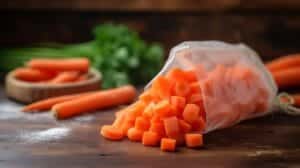
What to use frozen carrots for? Frozen carrots are a real kitchen buddy. They’re ready to go, no washing or cutting needed, and they still taste sweet and look colorful. They’ve got fiber and vitamins packed in, so they’re good for you too.
Cooking fast or trying fun stuff? These carrots fit the bill. I’ve got 15 easy ways for you. Toss them in soups, mix them into casseroles, make quick snacks, or whip up something sweet. They’ll spice up your meals without any fuss!
Key Takeaways
- 15 ways to use frozen carrots, from savory sides to unexpected picks like carrot butter and carrot rice
- No prep needed: frozen carrots go straight from the freezer into most recipes
- Beyond dinner, they work well in smoothies, purees for baby food, and homemade vegetable broth
- For cooking methods and whether to thaw first, a dedicated guide covers that in full
Table of Contents
What to Use Frozen Carrots for: Top Benefits
What to use frozen carrots for? Frozen carrots aren’t just a backup for fresh ones. They pack a bunch of perks that make them a kitchen must-have. They bump up nutrition and help the planet too. Plus, they’re easy to use and good for you. Let’s dig into why they earn a forever spot in your freezer!
1. Convenience and Time-Saving with Frozen Carrot
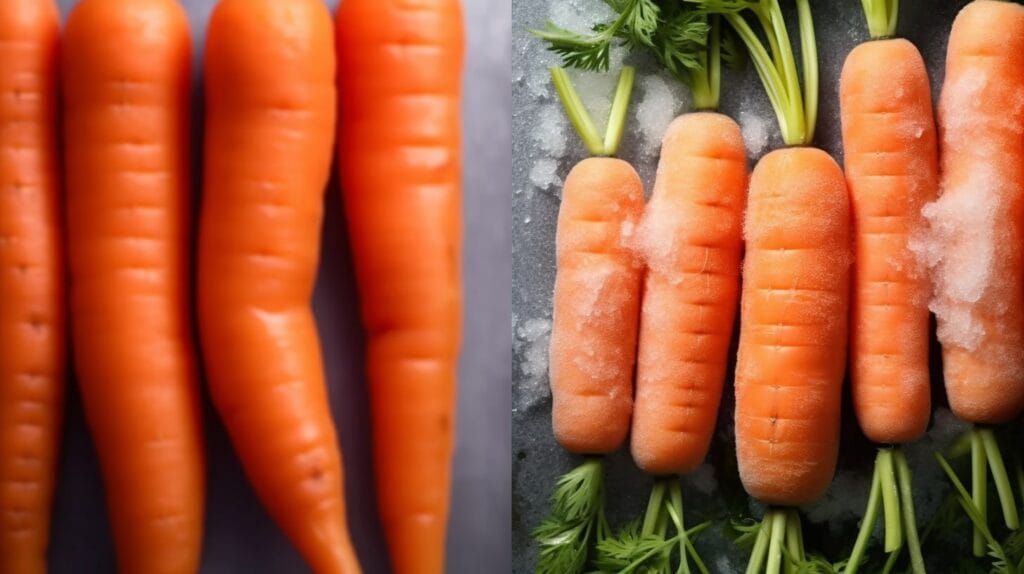
What to use frozen carrots for? Frozen carrots make cooking a breeze. Fresh carrots need peeling, washing, and cutting, but these are good to go right out of the bag. They save you time, especially on crazy busy days. You can get them diced for soup, crinkle-cut for casseroles, or sliced for stir-fries. That’s why home cooks and pros both love them!
2. Longer Shelf Life of Frozen Carrot
Fresh carrots have a relatively short shelf life, usually lasting one to two weeks in the refrigerator before they begin to wilt or turn slimy. In contrast, frozen carrots can be stored for up to a year in the freezer without sacrificing quality.
This extended shelf life helps reduce food waste and ensures you always have a dependable supply of vegetables on hand. For those who live far from grocery stores or have packed schedules, this option offers a consistent and convenient source of nutrition.
3. Nutritional Retention in Frozen Carrot
What to use frozen carrots for? Contrary to popular belief, frozen carrots can match or even surpass the nutritional value of fresh ones. Flash-freezing them shortly after harvest preserves their nutrients, flavor, and texture, making them a healthy and flavorful choice for any meal.
Key nutrients include:
- Beta-Carotene (Vitamin A): Promotes good vision, immune system health, and skin regeneration.
- Vitamin K: Supports blood clotting and bone health.
- Potassium: Helps regulate blood pressure and fluid balance in the body.
- Antioxidants: Protect against oxidative stress, reducing the risk of chronic diseases like heart disease and cancer.
Studies have shown that frozen vegetables often retain more vitamins and minerals than fresh vegetables that have been stored for several days or weeks before consumption.
4. Affordability of Frozen Carrot
Frozen carrots are an excellent budget-friendly option, especially in regions where fresh produce is expensive or seasonal. Harvested and processed at peak ripeness, they are available at lower prices year-round. If you’re wondering what to use frozen carrots for, they work well in countless recipes while offering significant savings when bought in bulk. This makes it easier for families to maintain a nutritious diet without overspending.
5. Versatility of Frozen Carrot in the Kitchen
What to use frozen carrots for? Frozen carrots work in so many dishes. They come pre-cut, like diced, sliced, or julienned, so you can roast them, steam them, sauté them, or mix them into soups and smoothies. They fit right into savory meals or sweet treats. Toss them in stews or casseroles. Blend them into smoothies for extra goodness. Add them to muffins or cakes. They bring flavor and nutrients to pretty much anything!
6. Sustainability and Reduced Waste with Frozen Carrot
Choosing frozen carrots helps the planet. The freezing process uses the whole crop, even the parts that don’t look perfect but taste just fine. They last way longer than fresh carrots, so you don’t toss them out as often. Plus, they’re frozen at their ripest, cutting down on long shipping trips. If you care about the earth, frozen carrots are an easy way to cut waste and go green!
7.Frozen Carrot: Perfect for All Skill Levels
What to use frozen carrots for? Whether you’re a seasoned chef or a beginner in the kitchen, frozen carrots are exceptionally user-friendly. Their pre-cut forms eliminate the need for knife skills, providing a safe and convenient option for anyone who finds chopping fresh carrots challenging or time-consuming.
Moreover, frozen carrots cook faster than fresh ones thanks to the blanching process they undergo before freezing. This partial cooking ensures that even beginners can prepare them with ease, without the risk of undercooking or overcooking.
8. Consistency in Quality of Frozen Carrot
One of the challenges of fresh produce is its variability in quality. Fresh carrots can vary in sweetness, texture, and size depending on the season or source. If you’re wondering what to use frozen carrots for, they are a great alternative, as they are processed at peak ripeness, ensuring consistent flavor, texture, and quality with every batch, making them a reliable choice for any recipe.
This reliability is particularly important for recipes that require uniformity, such as purees, soups, or baked goods, where consistent sweetness and moisture levels are crucial for the final result.
9. Availability of Frozen Carrot Year-Round
Seasonality affects the availability and price of fresh carrots, but frozen carrots are unaffected by these fluctuations. They’re available year-round, making them a convenient choice no matter the season. This ensures you can enjoy the nutritional and culinary benefits of carrots without worrying about their availability or freshness.
10. Preserving the Natural Flavor of Frozen Carrot
Flash-freezing locks in the natural sweetness of carrots, preserving their vibrant flavor. Unlike fresh carrots, which can lose taste after prolonged storage or exposure to air, frozen carrots maintain their full flavor profile. If you’re wondering what to use frozen carrots for, they’re an excellent addition to a variety of dishes, offering both convenience and rich taste.
This makes them ideal for dishes where the natural sweetness of carrots is a key component, such as carrot soup, stews, or even desserts like carrot cake.
Discover the wealth of Vitamin A in carrots through related meals.
15 Creative Ideas for What to Use Frozen Carrots For
Beyond Dinner: Breakfast, Snacks, and Pantry Staples:
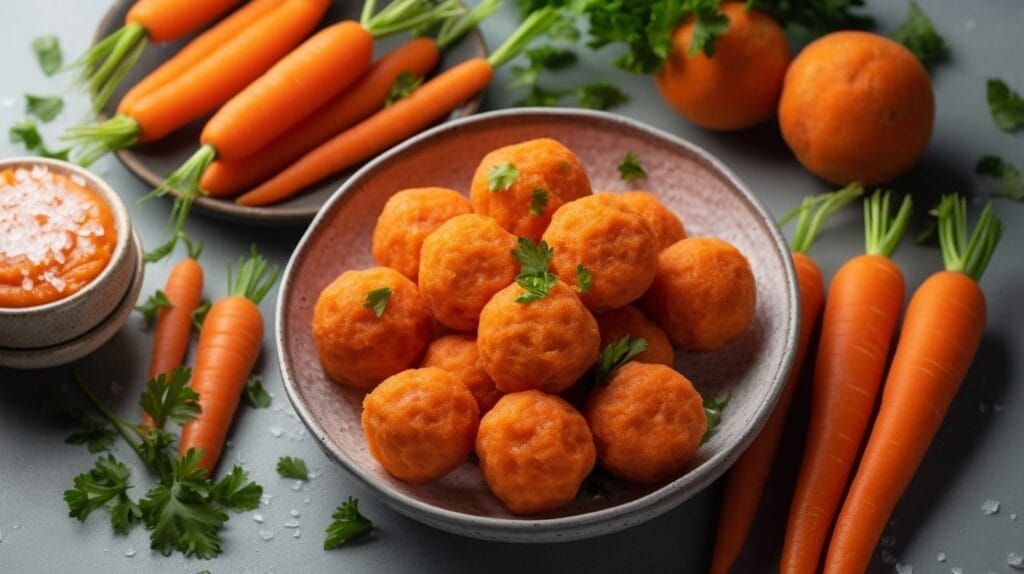
Frozen carrots are not just for dinner mains. Here are five ways to use them outside the dinner plate (if you want full dinner recipes instead, see our frozen carrots dinner recipes):
- Carrot Smoothie Cubes
Blend frozen carrots with water or juice and freeze the mixture in an ice tray. Use the cubes to boost smoothies with natural sweetness and nutrients. - Homemade Baby Food
Steam the carrots until tender, then blend into a smooth puree. Store in small containers for quick, nutritious baby meals. - Carrot Butter
Blend cooked carrots with butter, honey, and a pinch of salt for a spreadable topping on toast or muffins. - Carrot Rice
Pulse thawed carrots in a food processor to make carrot “rice,” a colorful, low-carb alternative to regular rice. - Infused Vegetable Broth
Add frozen carrots to boiling water with herbs and spices to make a quick, flavorful broth base for soups later.
Light and Creative Recipes:
- Teriyaki Veggie Stir-Fry
A frozen carrot is a quick and colorful addition to stir-fry recipes.
Steps: Heat sesame oil in a wok, then toss in sliced carrots, bell peppers, and snap peas. Stir-fry with a splash of teriyaki sauce and serve over steamed rice or noodles for a fast, delicious meal. - Savory Carrot Pancakes
Use a frozen carrot to create savory pancakes with a twist.
How to Make: Thaw and mix them with eggs, flour, parsley, and spices like paprika. Fry small portions in a skillet until golden and serve with sour cream or yogurt. - Spiced Carrot Fries
A frozen carrot transforms into crispy, spiced fries with ease.
Steps: Toss carrot sticks with olive oil, paprika, and garlic powder. Roast at 425°F (220°C) until caramelized, then serve with your favorite dipping sauce for a healthy snack. - Roasted Carrots
Roasting brings out the natural sweetness of a frozen carrot.
Steps: Spread carrot slices on a baking sheet, drizzle with olive oil, and season with herbs like rosemary. Roast at high heat until caramelized for a simple yet delicious dish. - Carrot and Chickpea Salad
A frozen carrot creates a vibrant, healthy salad that’s full of flavor.
How to Prepare: Roast the carrots until slightly crispy, then toss them with chickpeas, arugula, and a citrus vinaigrette for a refreshing side or light meal.
Sweet and Nutritious Treats:
- Tropical Carrot Smoothie
A frozen carrot blends beautifully in smoothies, enhancing sweetness and color.
Recipe: Blend it with mango, orange juice, banana, and a touch of ginger. For extra creaminess, add yogurt or protein powder to make a nutrient-packed drink. - Homemade Baby Food
A frozen carrot is an excellent choice for preparing homemade baby food.
How To: Steam the carrots until tender, then blend them into a smooth puree. Store in small containers for convenient, nutritious meals for your baby. - Buttery Carrot Mash
A frozen carrot makes a creamy, flavorful mash that’s a great alternative to potatoes.
How to Prepare: Boil the carrots until soft, then mash with butter and cream. Add nutmeg or thyme for an extra layer of flavor and serve as a side dish. - Carrot-Enriched Breads and Muffins
A frozen carrot adds sweetness and moisture to baked goods.
Steps: Thaw and shred the carrots, then fold them into bread or muffin batter. They work especially well in spiced carrot cake or breakfast muffins. - Rice and Grain Bowls
Add a frozen carrot to rice or grain bowls for a pop of color and nutrients.
How to Use: Stir cooked carrots into rice, quinoa, or couscous. Top with roasted chickpeas, avocado, and tahini dressing for a wholesome and satisfying meal.
What to Use Frozen Carrots for: Cooking Tips
Cooking with frozen carrots offers both convenience and the opportunity to enjoy their rich flavors and nutrients year-round. To get the best results, however, it’s essential to use a few simple techniques to elevate their texture, taste, and presentation. Here are some detailed tips to help you make the most of this versatile ingredient in your cooking.
1. Proper Storage and Handling
To maintain the quality of frozen carrots, follow these simple storage and handling tips:
- Keep Them Airtight: Use airtight bags or containers to prevent exposure to air, which can lead to freezer burn.
- Label and Date: Mark the packaging with the date of purchase or freezing. Properly stored, they remain fresh for 8–12 months.
- Avoid Refreezing: Once thawed, do not refreeze, as this can compromise both texture and flavor.
- Organize Your Freezer: Place them in a visible spot to ensure they’re used before their expiration date.
By following these steps, you can maximize freshness and reduce waste.
2. Thawing, Cooking Methods, and Timing
Whether to thaw first, which cooking method works best, and how to avoid overcooking all depend on the dish. We cover all of this in detail in our complete guide to thawing and cooking frozen carrots, including boiling, steaming, sautéing, and roasting side by side.
7. Creative Ways to Use Frozen Carrots
What to use frozen carrots for? Beyond traditional cooking methods, there are countless creative ways to incorporate frozen carrots into your meals.
Carrot Smoothie Cubes: Blend frozen carrots with water or juice and freeze the mixture in an ice tray. Use the cubes to enhance smoothies with a natural hint of sweetness and nutrients.
Carrot Rice: Pulse thawed frozen carrots in a food processor to create carrot “rice,” a colorful and low-carb alternative to regular rice.
Infused Broths: Add frozen carrots to boiling water with herbs and spices to craft a quick and flavorful vegetable broth.
Carrot Butter: Blend cooked frozen carrots with butter, honey, and a pinch of salt for a unique and spreadable topping for toast or muffins.
FAQs About What to Use Frozen Carrots For?
1. How Can I Use Frozen Carrots?
Frozen carrots can be used in a wide range of recipes, from soups and stews to smoothies, casseroles, and baked goods. Since they’re pre-washed and pre-cut, they save time in preparation. You can roast them, sauté them, steam them, or blend them into purees. They’re also great as an addition to stir-fries, rice bowls, and curries, or even as a healthy snack when seasoned and roasted into carrot fries.
2. Can Frozen Carrots Still Be Used?
Absolutely! Frozen carrots remain a versatile and valuable ingredient even after months in the freezer, as long as they’ve been stored properly. Their long shelf life (8–12 months in a sealed bag or container) makes them a reliable backup for fresh carrots. While their texture might be softer compared to fresh ones, they are ideal for cooked dishes like soups, stews, casseroles, and baked goods.
3. Can You Use Frozen Carrots for Muffins?
Yes, though shredded frozen carrots work best for baking. See our guide to frozen shredded carrots for muffin and cake tips.
4. Are Frozen Carrots Precooked?
Yes, frozen carrots are partially cooked before freezing. During the freezing process, they are blanched (briefly boiled or steamed) to preserve their color, texture, and nutrients. This means they cook faster than fresh carrots, which is especially convenient for soups, stews, and stir-fries. However, they’re not fully cooked and typically need additional cooking time depending on the recipe.
Conclusion
What to use frozen carrots for? Frozen carrots are a true kitchen staple, providing endless opportunities to create quick, flavorful, and nutritious meals. From hearty soups and cozy casseroles to vibrant stir-fries and refreshing smoothies, they add a pop of color, rich flavor, and essential nutrients to every dish. These 15 ideas are just the start, frozen carrots encourage creativity and inspire you to try new recipes. Keep your freezer stocked with these versatile gems and let them elevate your everyday cooking to something extraordinary.